
Tochigi Prefecture | Sacred Heritage of Nikko and Hot Spring Culture
Tochigi Prefecture | Sacred Heritage of Nikko and Hot Spring Culture
Located just a short distance from the Tokyo metropolitan area, Tochigi Prefecture offers a unique blend of rich nature and deep history, setting it apart as a distinctive presence within the Kanto region.
Nikkō stands as a symbol of the prefecture, home to the UNESCO World Heritage Site Tōshōgū Shrine, as well as scenic landmarks like Kegon Falls and Lake Chūzenji. These sacred places, where nature and spirituality intersect, create an awe-inspiring atmosphere that continues to move visitors throughout the changing seasons.
The prefecture is also known for its abundance of hot spring resorts, including Nasu and Shiobara, which have long served as traditional healing retreats. Nestled in the mountains, these quiet inns offer visitors a chance to relax both body and mind.
Tochigi is also one of Japan’s leading agricultural regions. It ranks among the top producers of strawberries nationwide, with premium varieties like Tochiotome and Skyberry enjoying wide popularity. In addition, local specialties such as Utsunomiya gyoza and Sano ramen make the region a rewarding destination for food lovers.
Sacred traditions and hot spring culture are woven into everyday life, shaping the character of Tochigi Prefecture.
Tochigi Prefecture: Key Facts
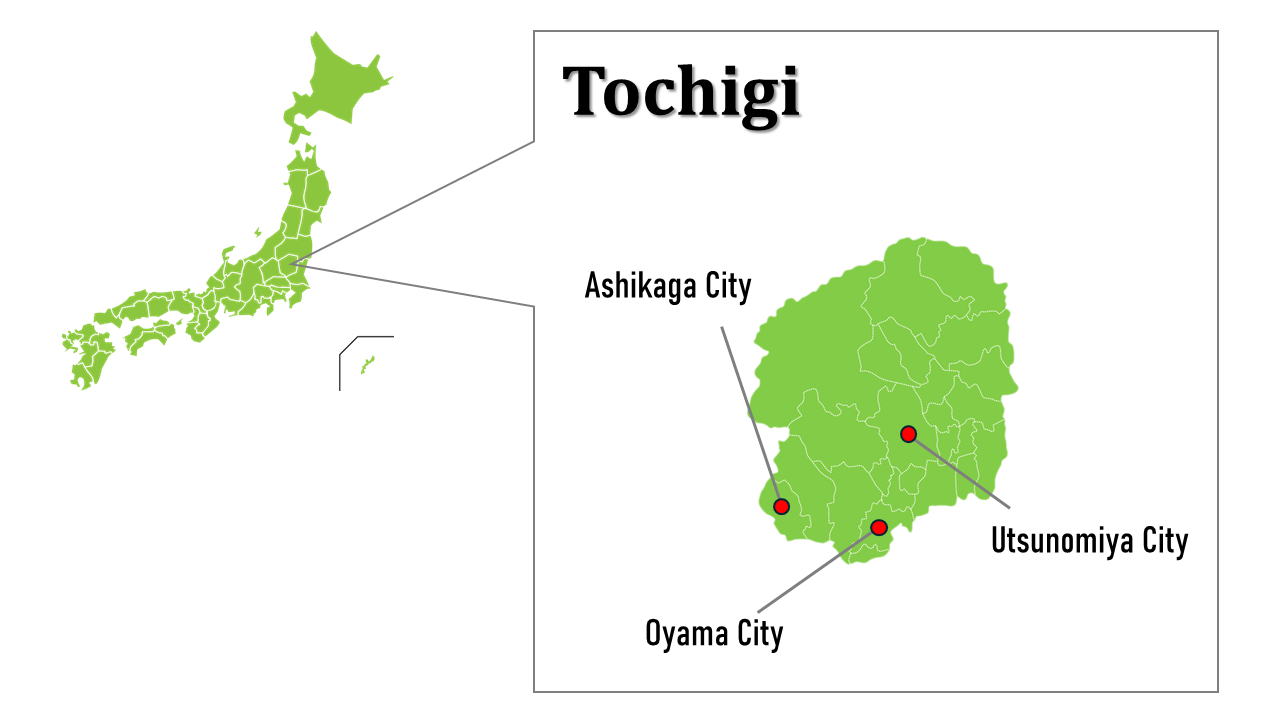
Prefectural Capital
- Utsunomiya City
Major Cities
- Utsunomiya City
- Oyama City
- Ashikaga City
Population
- Approximately 1.9 million
Representative Places and Events
-
Nikkō Tōshō-gū Shrine
-
Lake Chūzenji
-
Nasu Highland Park
-
Kegon Waterfall
Local Cuisine
- Utsunomiya gyoza – Utsunomiya-style dumplings
- Yuba – tofu skin dishes
Craft Works
- Mashiko-yaki – Mashiko potter
- Nikko carving
Articles about Tochigi Prefecture
Scenery in Tochigi Prefecture
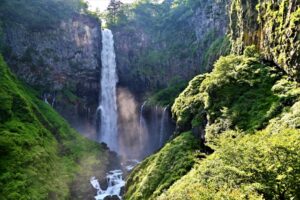
Kegon Falls is counted among the Three Great Waterfalls of Japan.

The autumn scenery of Lake Chūzenji
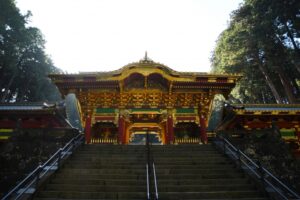
Nikkō Tōshō-gū Shrine enshrines Tokugawa Ieyasu, the founder of the Tokugawa shogunate.
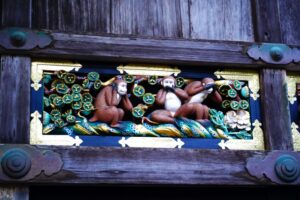
The ‘Three Wise Monkeys’ at Nikkō Tōshō-gū — ‘see no evil, hear no evil, speak no evil’ — are a famous carving that symbolizes this teaching.
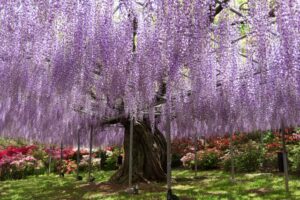
The over-160-year-old great wisteria trellis is one of the main highlights of Ashikaga Flower Park.