
Ibaraki Prefecture | A Land of Farmland and Research Cities
Ibaraki Prefecture | A Land of Farmland and Research Cities
Ibaraki Prefecture lies in the northeastern part of the Kanto region, shaped by the Pacific coastline, wide plains, and inland mountain ranges such as Mount Tsukuba.
Despite its proximity to the Tokyo metropolitan area, daily life here remains closely connected to the land and water, supported by river systems including Lake Kasumigaura and the Naka River.
Agriculture has long formed the foundation of the region. Products such as lotus root, melons, chestnuts, and dried sweet potatoes are valued not only for their volume but also for their quality, reflecting the strength of Ibaraki’s soil.
Along the coast, fishing communities continue to thrive, and in port towns like Oarai, seasonal food traditions—most notably monkfish hot pot—remain an integral part of everyday life.
Turning inland, Mount Tsukuba rises gently at the edge of the plains. Revered for centuries as an object of mountain worship, the mountain symbolizes the close relationship between nature and people, quietly holding the passage of time.
Shrines and temples such as Kashima Shrine also convey the depth of spiritual culture and history cultivated in this region.
At the same time, Ibaraki has developed as a center of science and technology in the modern era.
Tsukuba City is home to numerous research institutions and universities, where advanced knowledge forms part of the everyday landscape.
The coexistence of research facilities with surrounding fields and woodlands creates a distinctive environment in which knowledge and nature stand side by side.
Sea and plains, mountains and water.
Combined with the presence of a research city, Ibaraki brings together diverse forms of life within a single landscape.
Rather than emphasizing any single aspect, the prefecture reveals its character through the steady accumulation of daily life, industry, belief, and knowledge.
Ibaraki Prefecture: Key Facts
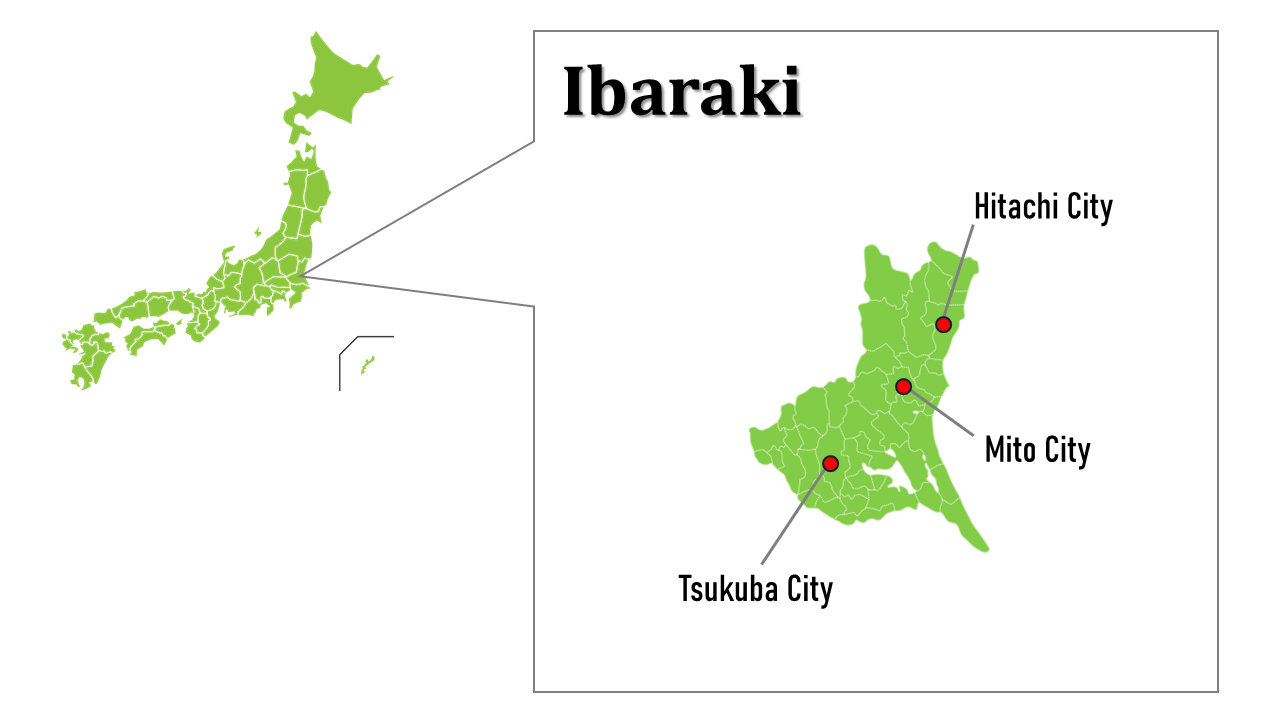
Prefectural Capital
- Mito City
Major Cities
- Mito City
- Tsukuba City
- Hitachi City
Population
- Approximately 2.8 million
Major Tourist Attractions and Events
- Kairakuen Garden (One of the Three Great Gardens of Japan)
- Mount Tsukuba
- Hitachi Seaside Park
- Kashima Jingu Shrine
Local Cuisine
- Natto(fermented soybeans)
- shimotsukare ( Traditional Ibaraki specialty made with salmon head, soybeans, vegetables, and sake lees)
- Dried sweet potatoes
- Anglerfish hot pot
Craft Works
- Yūki tsumugi(Yuki silk pongee)
-
Kasama ware
Articles about Ibaraki Prefecture

Scenery in Ibaraki Prefecture
The Nemophila at Hitachi Seaside Park, a national park, is a breathtaking sight that attracts attention from both Japan and abroad.
“The torii gate of Isosaki Shrine on the Oarai Coast has become a symbol of Oarai Town.
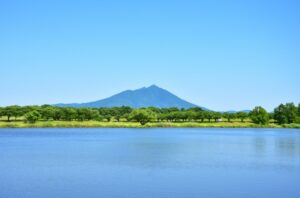
A view of Mount Tsukuba from the Hoboji Reservoir.
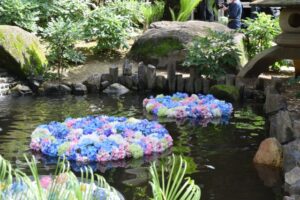
Amabiki Kannon is also known as a famous spot for flowers, especially the hydrangeas that bloom during the rainy season, which are particularly popular.
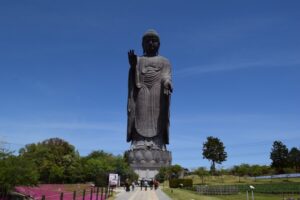
Standing at a height of 120 meters, the Ushiku Daibutsu is the world’s tallest bronze Buddha statue.