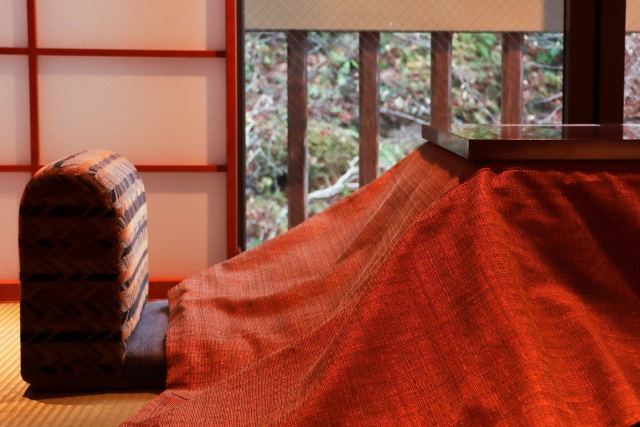
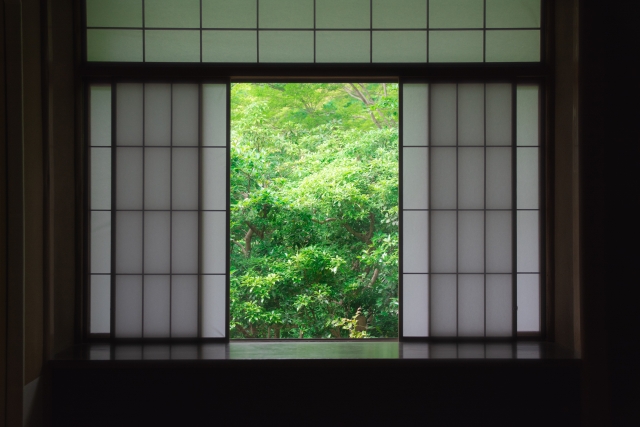
Wabi-sabi—this is a quiet and profound philosophy that runs through the foundation of Japanese aesthetics.
It is the sense that beauty resides not in perfection, but in things that are somehow incomplete.
A sensibility that finds greater appeal in restraint than in flamboyance.
An appreciation for transience, and for the depth that emerges with the passage of time.
There, the beauty of wabi-sabi can be found.
Why have Japanese people come to find beauty in imperfection and ephemerality?
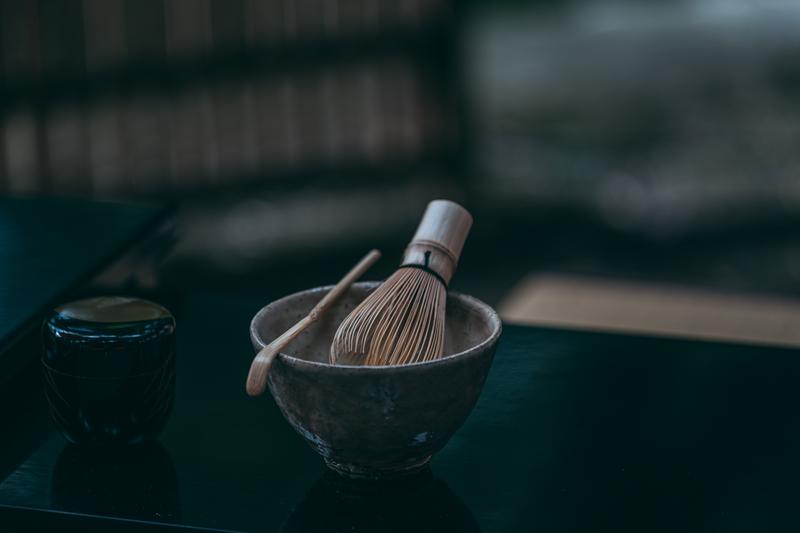
In its imperfections, the passage of time quietly reveals itself.
For example, a small crack running across the surface of a tea bowl.
Rather than seeing it as a flaw, one accepts it as something that reflects the time the vessel has accumulated.
The quiet scent of aged wood and stillness that lingers in an old wooden temple.
When encountering such scenes, one’s attention is naturally drawn to the “change” and the “layering of time” present there.
Wabi-sabi is the perspective that finds beauty in such states.
Wabi and Sabi — Two Sensibilities That Shape a Unified Aesthetic
Wabi-sabi is composed of two overlapping sensibilities:
wabi (侘) and sabi (寂).
Wabi — What Remains After Everything Unnecessary Is Removed
Wabi is the sensibility of finding beauty in what remains after excess ornamentation and showiness have been stripped away.
A simple, unadorned tea room.
Within it, a single tea bowl, its earthen texture quietly visible.
Rather than adding more, one deliberately removes.
In doing so, the inherent nature of the object itself comes into view.
To find value in that—this is the essence of wabi.
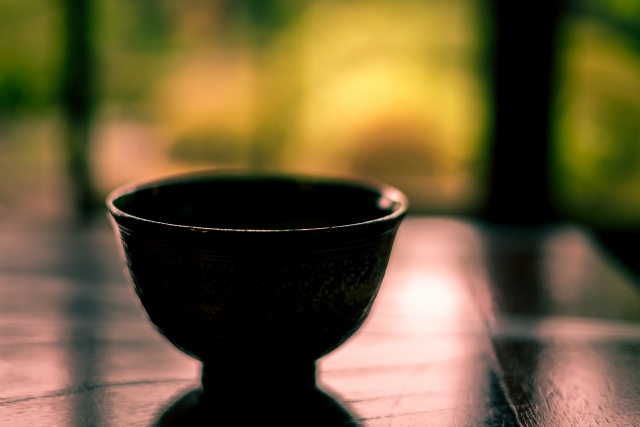
When all excess is removed, the essence quietly comes into view.
Sabi — The Value Created by the Passage of Time
Sabi is the sensibility of perceiving changes brought about by time not as deterioration, but as value.
The grain that emerges on temple pillars aged over long years, metal fittings tinged with rust, stone lanterns covered in moss—
Within their presence, the time that has accumulated over years is inscribed.
To recognize value in those very changes—that is sabi.
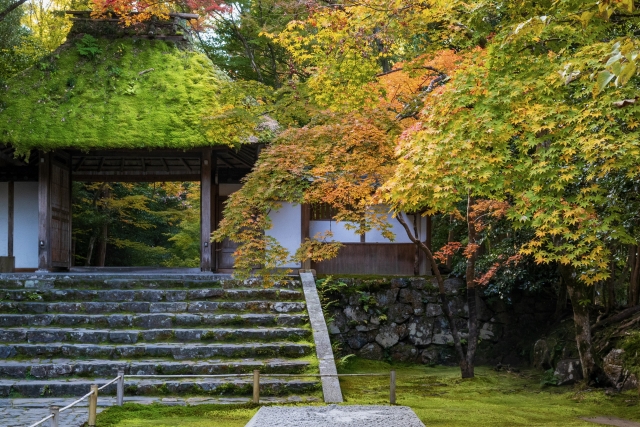
Aging is not loss, but the quiet accumulation of time.
Why Did Wabi-Sabi Emerge in Japan?
How should we receive things that continue to change?
What do we choose to value within that change?
Wabi-sabi is a sensibility that has taken shape gradually through the relationship between people and nature, and through the rhythms of daily life.
A Way of Seeing a World in Constant Flux
Everything around us changes, little by little, over time.
Flowers eventually fall, trees deepen in color, and objects accumulate traces of use.
No matter how carefully something is treated, nothing remains exactly as it was.
All things are in flux; nothing retains a fixed state.
In Buddhism, this is referred to as impermanence.
This way of thinking has deeply influenced how people live and how they perceive the world.
Rather than resisting change, one accepts change itself.
Within this understanding, a sensibility that finds value in what changes over time has taken root.
Things That Continue to Change Within Nature
Japan is a land where the shifting of the four seasons can be distinctly felt.
In spring, flowers bloom and then fall, giving way to the deep greens of summer.
In autumn, trees turn in color, and in winter, stillness settles in.
These changes are not extraordinary—they are part of what is repeatedly encountered in everyday life.
Moreover, Japan’s humid climate means that materials such as wood, earth, and paper gradually change in texture over time.
Aging, fading, and subtle distortion—
these are not simply forms of deterioration, but are received as changes shaped by time.
By observing such transitions, a way of seeing that finds value in change has gradually taken root.
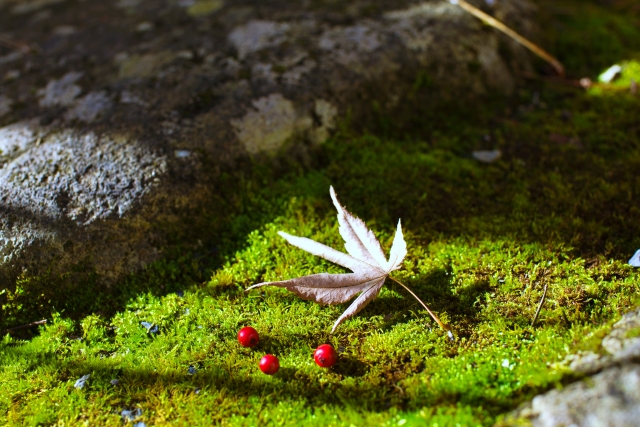
Within nature’s constant change, ways of seeing take shape.
A Beauty Shaped Within Everyday Life
This cultivated sensibility eventually came to take concrete form within daily practices.
One such example is the tea ceremony.
In its early stages, the world of tea prized ornate utensils brought from China.
Their intricate craftsmanship and vivid decoration symbolized authority and wealth.
Over time, however, a different sense of value began to emerge—
one that found beauty in simple, unadorned tea bowls and utensils.
This approach was brought to its fullest expression by Sen no Rikyū through what is known as wabi-cha.
Rather than adding decoration, Rikyū valued what appears when all unnecessary elements are stripped away—the inherent nature of the object itself.
A simple tea room. A tea bowl that retains the texture of clay.
What exists there is not constructed beauty, but the presence of the object itself.

By stripping away excess, the true nature of the object comes into view.
The sensibility of wabi-sabi continues to live within our daily lives in such forms.
Why Do Japanese People Find Beauty in Imperfection?
In a cup of tea drunk from a chipped bowl,
in the faint light falling across moss in a quiet garden,
in the touch of aged wood—
there are moments when the heart gently loosens.
Not only what is new and immaculate is beautiful.
Within irregular forms and the traces left by use, there exists a story that belongs to that object alone.
What remains after unnecessary ornamentation is stripped away.
What continues to change, shifting in form over time.
There, the true beauty of a thing resides.
Further Reading: