Crafts

Japanese crafts are shaped through a close relationship with materials. Wood, clay, lacquer, and metal are worked in ways that respect their natural qualities, and techniques are refined through repetition. These objects are not separate from life but are used daily, gradually changing with time and use. This category explores how crafts remain connected to everyday life and continue to hold value through use.

Crafts

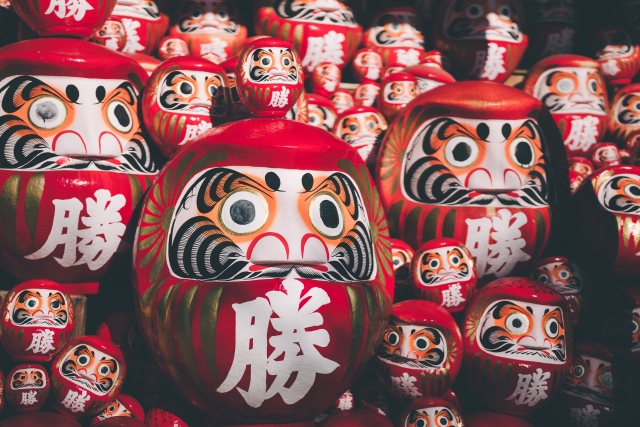
Daruma Doll — Zen and Japan’s Folk Faith

Daruma — Zen and Japan’s Folk FaithA round red body and a stern, dignified face.The daruma is one of the most familiar g...
Crafts

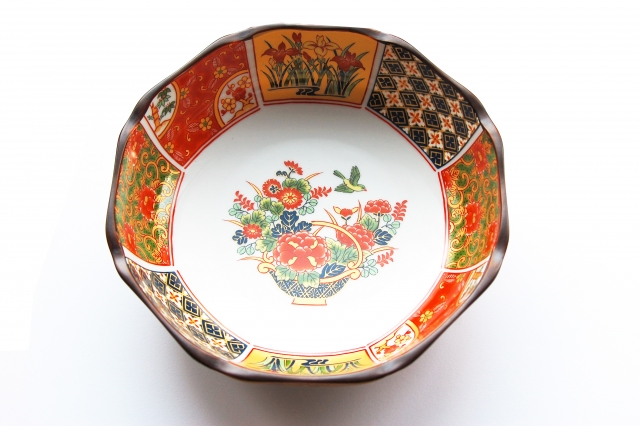
Arita Porcelain — The Art and Life Reflected in White

Arita porcelain, Japan’s first true porcelain, has flourished for over 400 years. From the refined Kakiemon style to the dignified Nabeshima ware, Arita embodies the harmony of art, craftsmanship, and daily life—the Japanese ideal of beauty in use.
Crafts

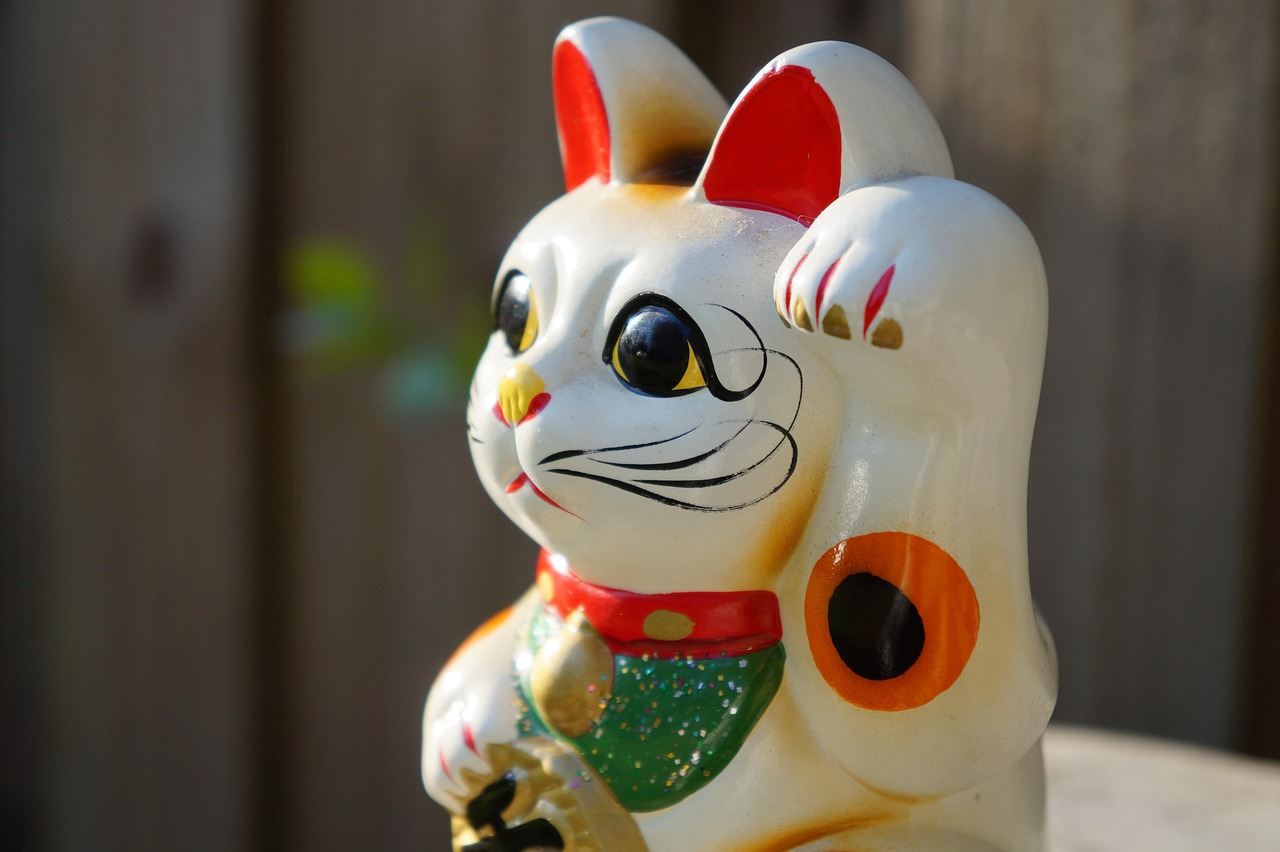
The Beckoning Cat of Good Fortune – The Japanese Heart Reflected in Maneki-neko

Discover the story behind Japan’s Maneki Neko—the lucky cat that brings fortune. From legends of Gotokuji Temple to the meaning of raised paws, colors, and regional styles like Imado and Seto ware, explore the heartwarming spirit behind this beloved symbol.
Crafts

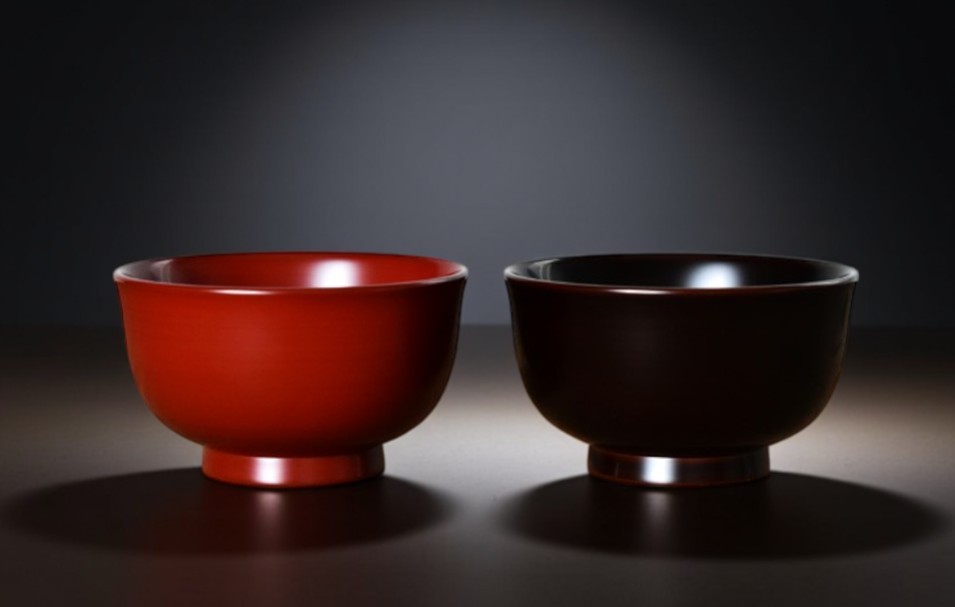
The Beauty Layered in Time: The Spirit of Japan in Lacquerware

Japanese lacquerware, or Urushi, reflects a deep aesthetic rooted in nature, time, and craftsmanship. Discover its 9,000-year history, unique regional styles like Wajima-nuri and Aizu-nuri, and the quiet beauty that grows with every use.
Crafts

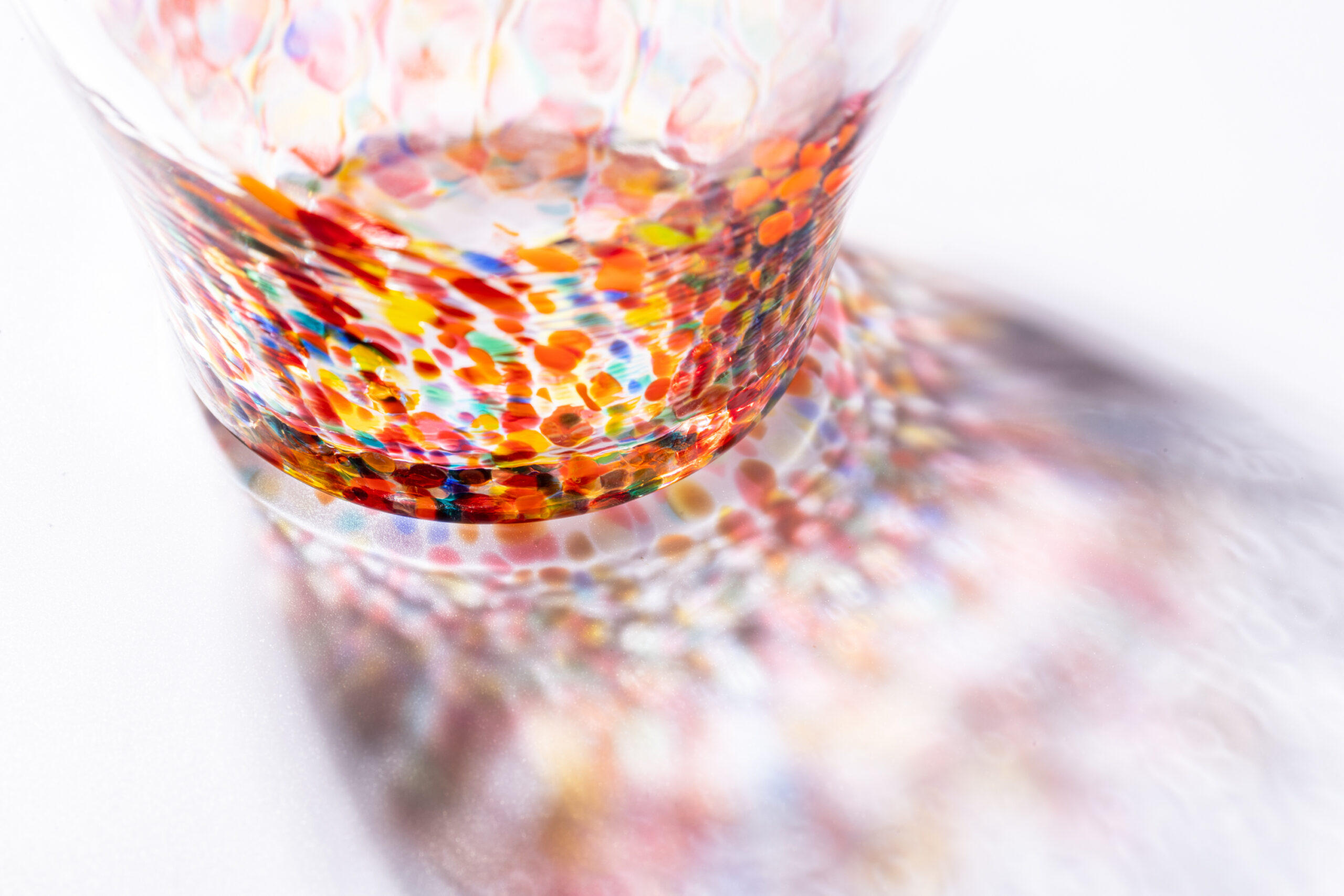
Tsugaru Vidro — Aomori Glassware That Reflects the Four Seasons

Tsugaru Vidro is a handcrafted glass art from Aomori, Japan, reflecting the beauty of the four seasons through vibrant colors and traditional "chūbuki" blowing techniques. Perfect as home décor or a thoughtful gift.
Crafts

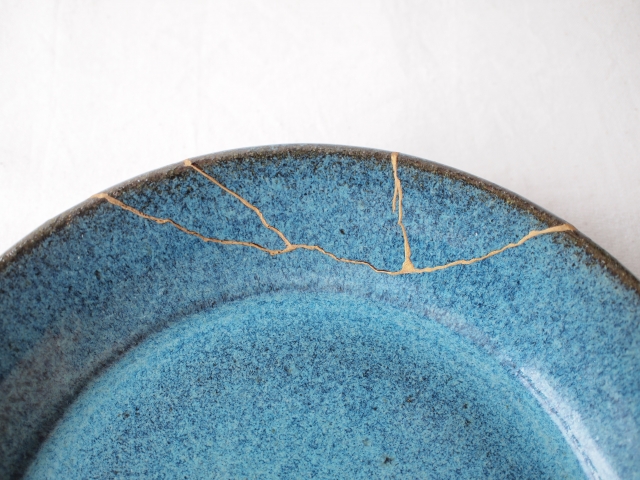
When Imperfections Shine — The Philosophy of Kintsugi

Kintsugi is the traditional Japanese art of repairing broken pottery with gold, transforming flaws into unique beauty. In this article, we explore the meaning, philosophy, history, and spiritual message behind Kintsugi—and what it teaches us about life and imperfection.